 简体中文
简体中文 English
产品介绍
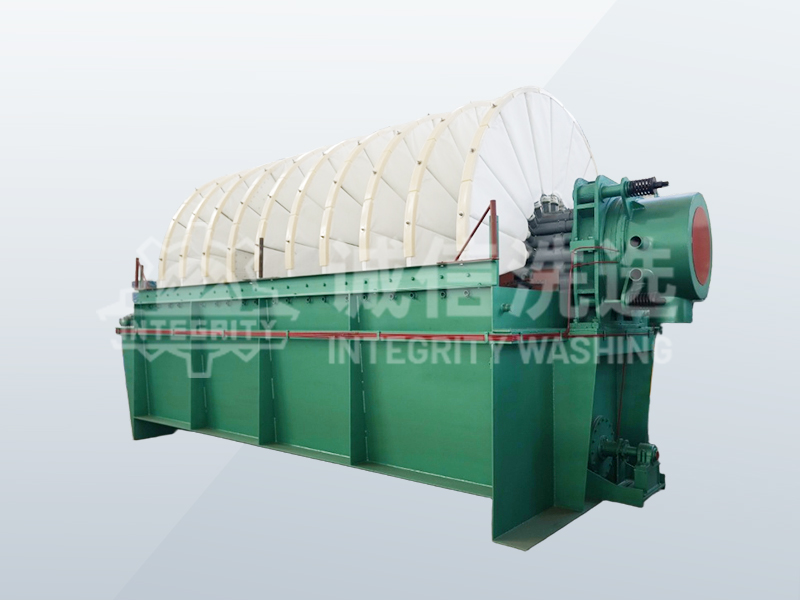
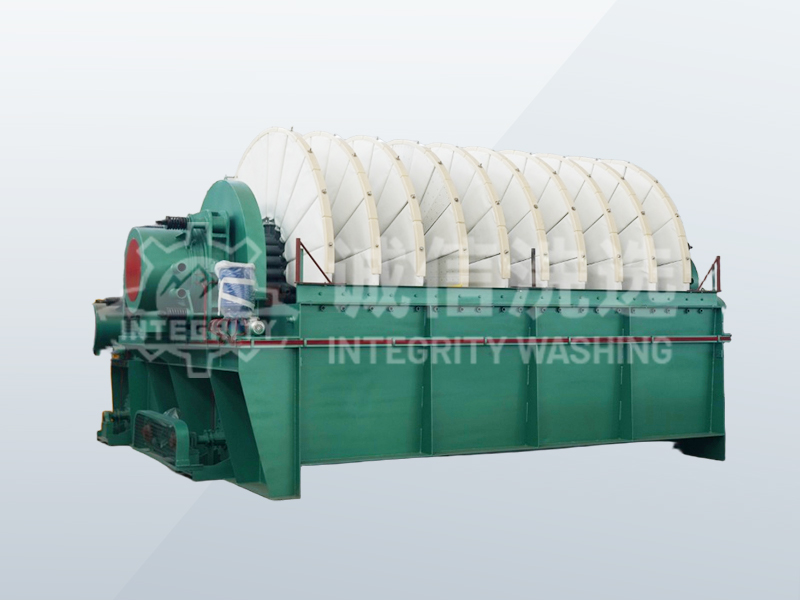
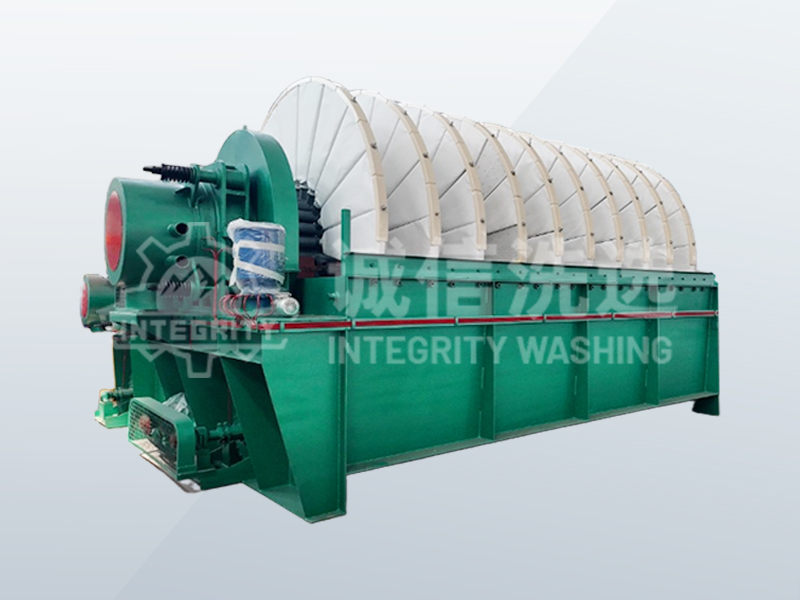
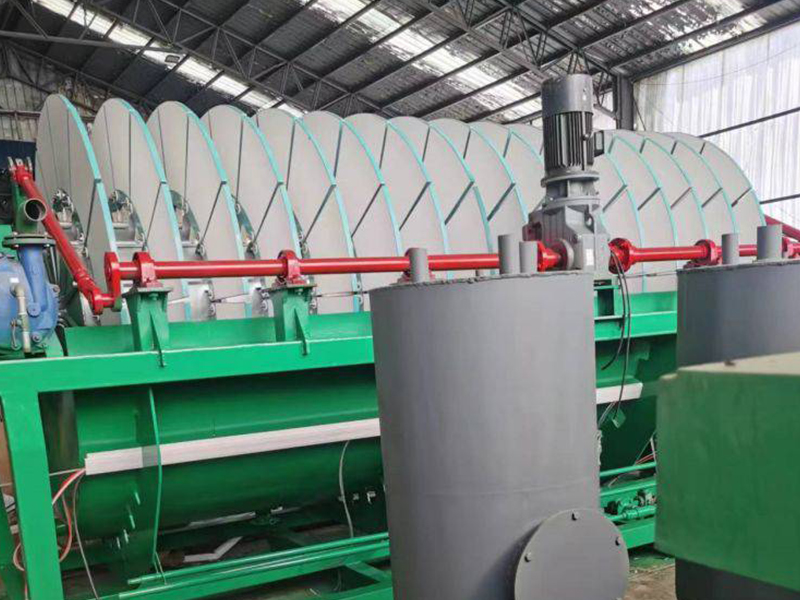
In industrial production, disc vacuum filters are widely used in multiple fields such as mining, chemical engineering, and environmental protection due to their highly efficient solid-liquid separation capabilities. However, to fully leverage its advantages, it is crucial to ensure the stability of filtration quality. The following discusses how to ensure the filtration quality of the disc vacuum filter from several aspects including equipment maintenance, operation optimization, material handling and quality monitoring.
Equipment Maintenance: Laying a Solid Foundation for Stability
Regular comprehensive inspection and maintenance of the disc vacuum filter is the basis for ensuring filtration quality. Pay attention to the condition of the filter plate and check whether it is worn, clogged or deformed. Once any problem is found, it should be replaced or repaired in time to ensure that the filter plate is in full contact with the material and achieve a good filtration effect. At the same time, check the sealing performance of the vacuum system to prevent air leakage from causing a decrease in vacuum degree and affecting the filtration efficiency and quality. In addition, lubrication and maintenance should be carried out on key components such as the stirring system and transmission device to ensure smooth operation of the equipment and reduce fluctuations in filtration quality caused by mechanical failures.
Operation optimization: Process Control
Reasonable operation parameters play a crucial role in the quality of filtration. The operator should adjust parameters such as vacuum degree, stirring speed and filtration time according to the characteristics of the material, such as concentration, particle size and viscosity. For materials with high concentration and fine particles, appropriately increasing the vacuum degree can enhance the filtration power and improve the filtration efficiency. Increasing the stirring speed can prevent the material from settling and make the filtration more uniform. In addition, strictly control the filtration time to avoid it being too short, which may lead to incomplete filtration, or too long, which may cause energy waste and excessive moisture content in the filter cake.
Material handling: Quality Assurance at the source
The pretreatment of materials has a significant impact on the quality of filtration. Before entering the filter press, pre-treatment of the material, such as impurity removal and slurry adjustment, can reduce the clogging of the filter plate by impurities and improve the filtration efficiency. At the same time, the temperature and pH of the materials should be reasonably controlled to avoid changes in the properties of the materials due to excessively high or low temperatures or inappropriate pH levels, which may affect the filtration effect. For instance, some materials may undergo chemical reactions at high temperatures, generating precipitates or colloids, which increases the difficulty of filtration.
Quality Monitoring: Timely feedback and adjustment
Establish a complete quality monitoring system to conduct real-time detection and analysis of the filtered materials. By testing indicators such as the clarity of the filtrate and the content of solid particles, the filtration quality can be understood in a timely manner. Once quality fluctuations are detected, the causes should be promptly identified, such as equipment failure, improper operating parameters or material changes, and adjustment measures should be taken in a timely manner to ensure that the filtration quality remains stable within the qualified range.
In conclusion, ensuring the stable filtration quality of the disc vacuum filter requires efforts from multiple aspects such as equipment maintenance, operation optimization, material handling, and quality monitoring. Only by comprehensively considering these factors and conducting scientific and reasonable management and control can the advantages of the disc vacuum filter be fully exerted to provide high-quality filtration products for industrial production.