 简体中文
简体中文 English
产品介绍
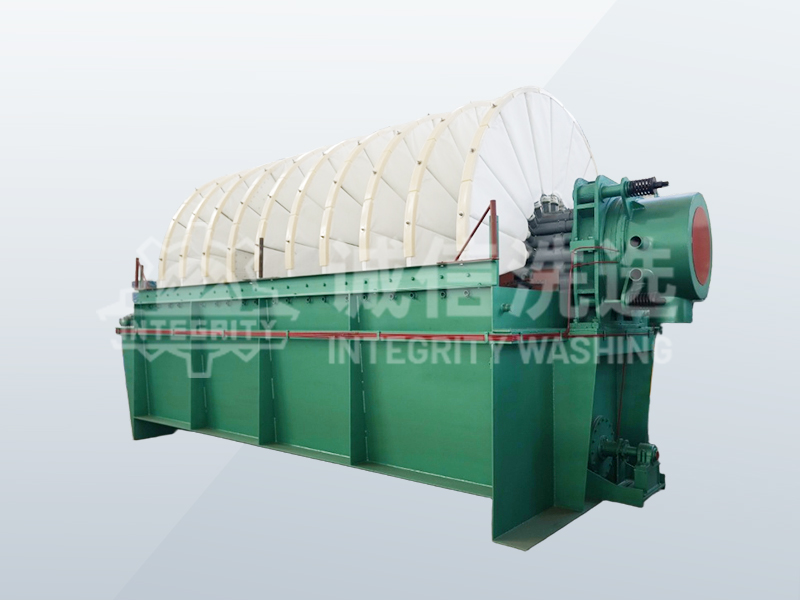
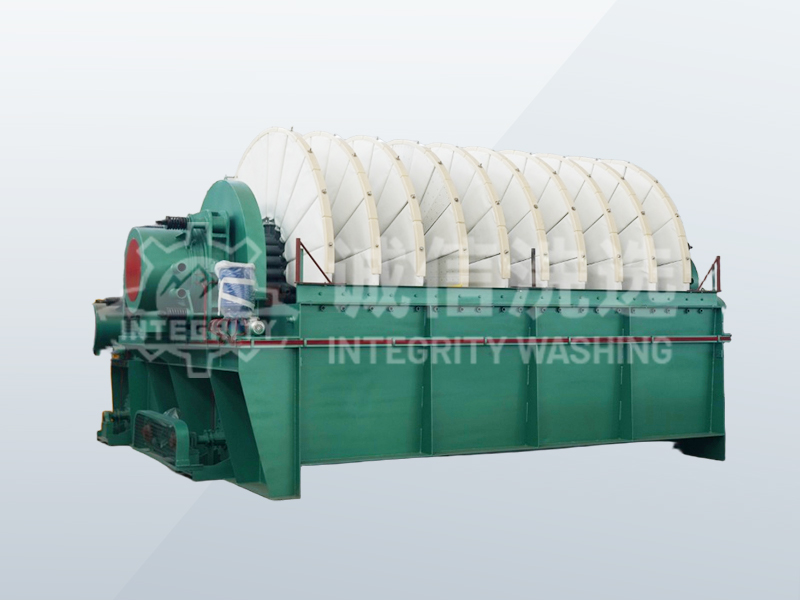
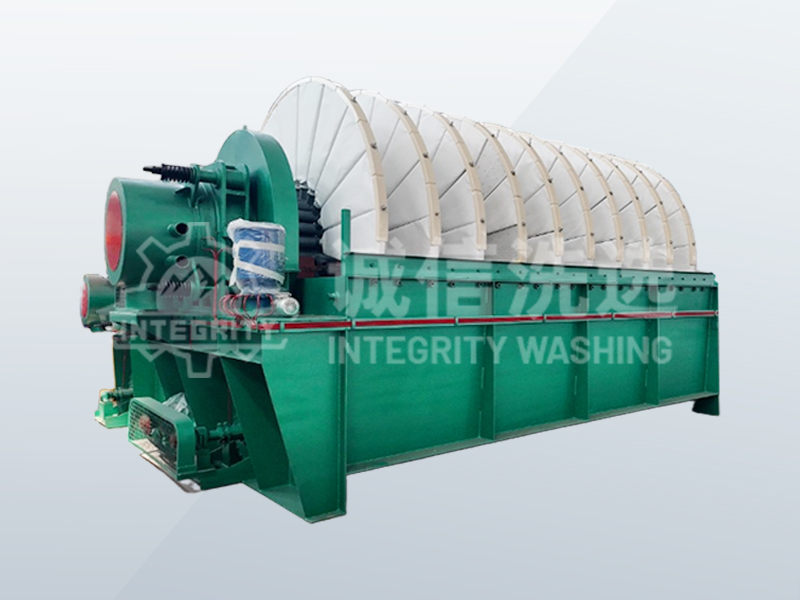
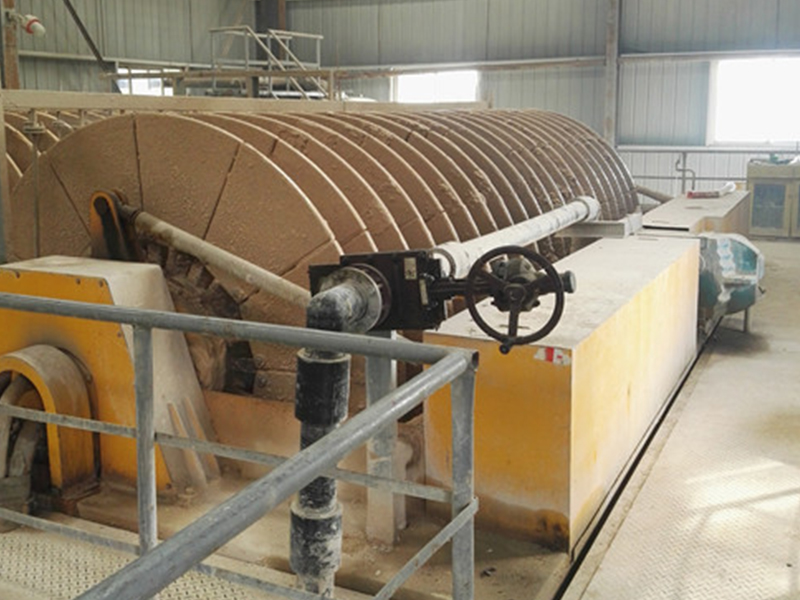
In industrial production, the handling of high-concentration and fine particle materials is a common and challenging task. The disc vacuum filter, with its unique design and advantages, can effectively address this problem.
The disc vacuum filter takes circular filter plates as its main body. Its working principle is to achieve solid-liquid separation by using vacuum suction force. This principle plays a crucial role when dealing with high-concentration and fine particle materials. When high-concentration materials enter the feed pipe of the filter, the liquid in the materials, under the action of vacuum suction, quickly passes through the tiny pores on the filter plate and enters the discharge pipe for discharge. The fine solid particles are intercepted by the filter liner on the filter plate. Over time, these particles gradually accumulate and form a filter membrane layer.
The design of the filter plate is of vital importance to ensure the effective handling of high-concentration and fine particle materials. Filter plates are usually made of high-strength engineering plastics or special ceramic materials, featuring a reasonable distribution and porosity of dehydration holes. The diameter of its tiny capillary pores is approximately 1 Between -10 microns, it is like a series of "sieves", effectively intercepting fine solid particles. Even extremely tiny particles find it hard to escape.
During the filtration process, the stirring system also plays an indispensable role. The stirring paddle keeps rotating under the drive of the motor, keeping the material in a uniform suspended state and preventing it from settling in the material trough. This ensures that every particle can come into uniform contact with the filter plate, improving the filtration efficiency and effect.
As the filtration process proceeds, the micro-pores of the filter plate may be clogged by solid particles, affecting the filtration efficiency. At this point, the backwashing system comes in handy. It injects high-pressure water or air into the interior of the filter plate, flushing it from the opposite direction to wash away the particles clogged in the micro-pores, restoring the permeability of the filter plate and ensuring the continuous and stable progress of the filtration process.
For high-concentration materials, the disc vacuum filter also has good dewatering performance. In the dehydration zone, although there is no longer the "encirclement" of materials, the vacuum system still functions strongly. Under the continuous adsorption of negative pressure, the residual liquid in the filter cake accumulated on the filter plate is constantly "squeezed" out, enters the water pipeline through capillary pores, and flows into the filtrate bucket, making the filter cake reach the humidity standard required for production.
In addition, the disc vacuum filter has a simple structure, reliable operation, easy and understandable operation, and low maintenance cost. Its fully automated operation process reduces manual intervention, lowers labor intensity and enhances production efficiency. In practical applications, as long as the parameters of the equipment, such as vacuum degree and stirring speed, are reasonably adjusted according to the characteristics of the materials, the advantages of the disc vacuum filter can be fully exerted to achieve efficient processing of high-concentration and fine particle materials.