 简体中文
简体中文 English
产品介绍
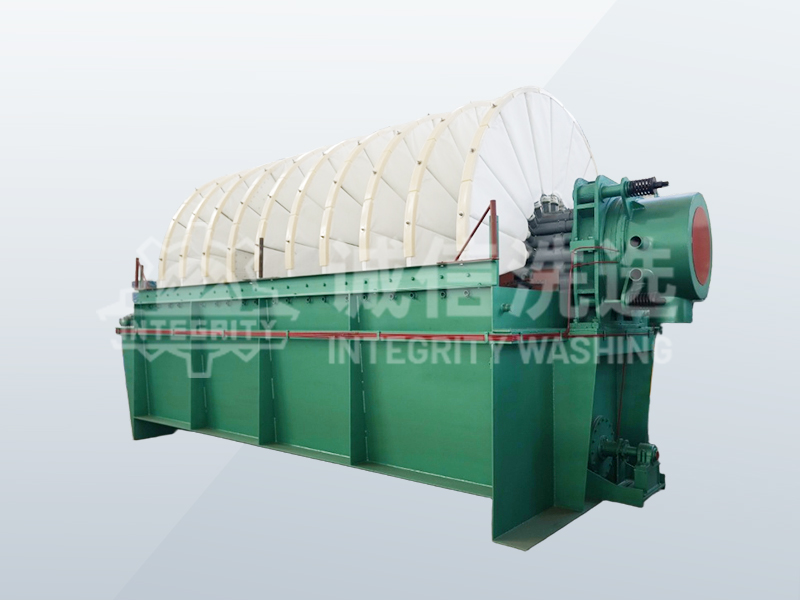
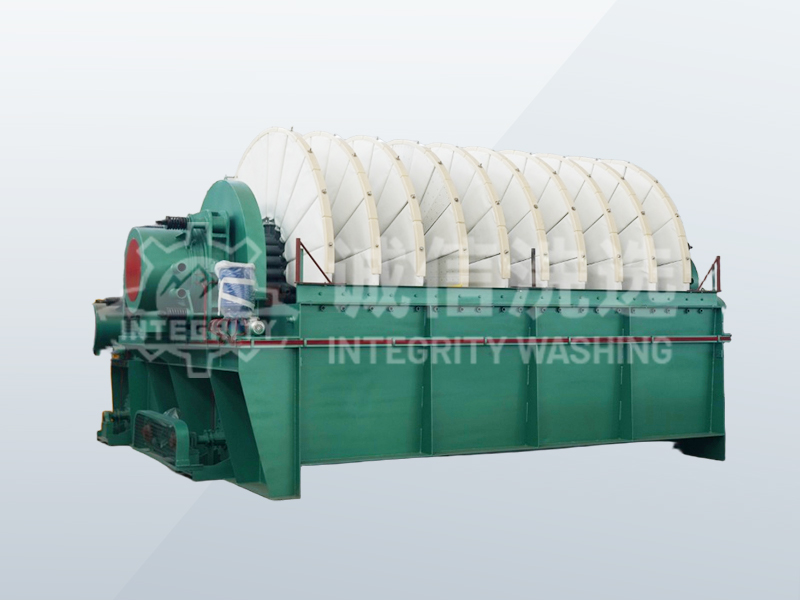
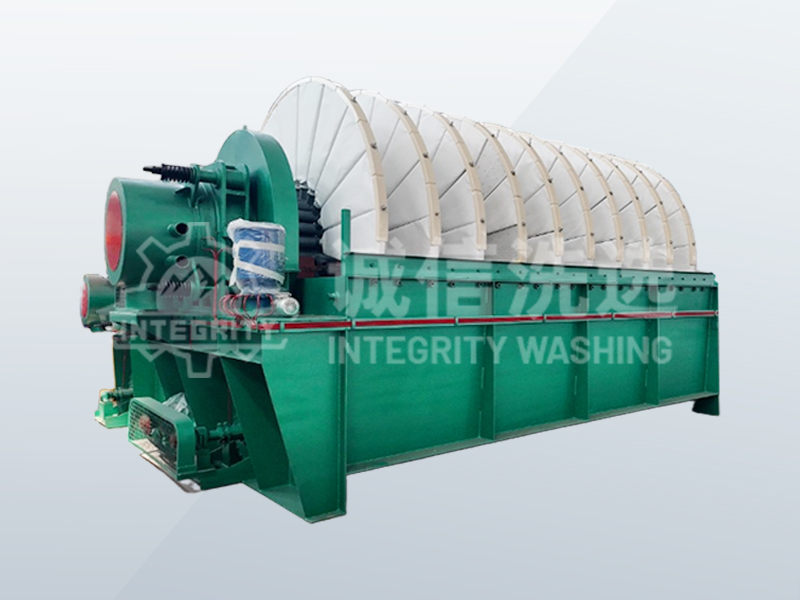
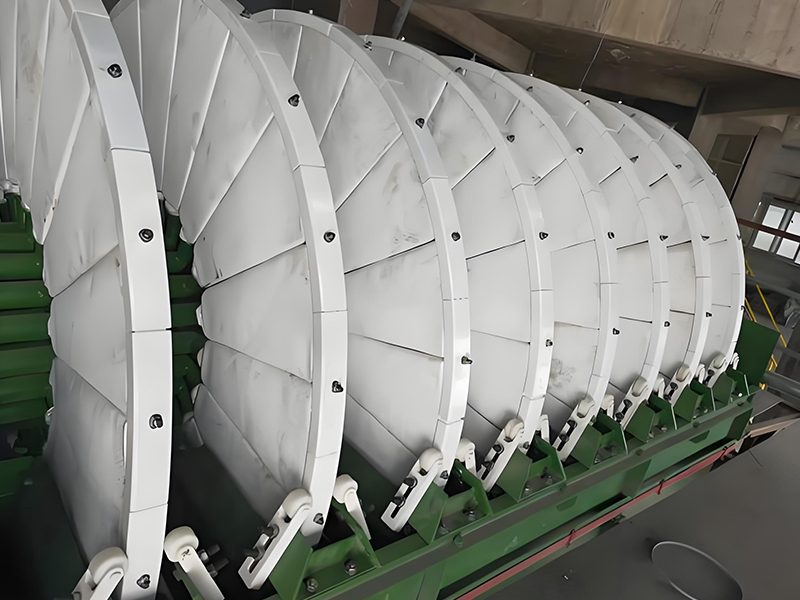
As an important solid-liquid separation device, the disc vacuum filter is widely used in multiple industries such as mining, metallurgy, chemical engineering, environmental protection, and building materials. When selecting a model, multiple factors need to be comprehensively considered to ensure that the equipment can operate efficiently and stably to meet production requirements.
Processing capacity is one of the key factors in selection. The processing capacity requirements for filters vary with different production scales. It is necessary to select equipment with appropriate processing capacity based on parameters such as material flow rate and filtration speed in actual production. For instance, in the mineral processing operations of large-scale mines, a large amount of pulp needs to be processed, so a disc vacuum filter with strong processing capacity should be selected to ensure production efficiency. In small laboratory scenarios where the processing volume is relatively small, a small filter can be selected.
The filtration accuracy should also not be ignored. It depends on the product requirements. Different application fields have different demands for the size of the solid particles after filtration and the clarity of the filtrate. For instance, in the chemical industry, when used for the separation of organic crystals, high filtration accuracy is required, and equipment capable of achieving fine filtration should be selected. In the treatment of some common industrial wastewater where the filtration accuracy requirement is not high, the requirement for filtration accuracy can be appropriately reduced.
Operational performance is also an important consideration in selection. Equipment that is easy to operate and maintain can reduce labor costs and minimize equipment downtime. The disc vacuum filter with an automated control system can be remotely monitored and operated, facilitating real-time adjustment and management of the equipment by the staff. Meanwhile, the structural design of the equipment should facilitate daily maintenance and upkeep. For instance, operations such as filter cloth replacement and component inspection should be simple and quick.
The choice of material is also of vital importance. The nature of the materials being processed varies, and so do the requirements for the materials of the equipment. If the material is corrosive, corrosion-resistant materials such as stainless steel and high-strength engineering plastics should be selected to prevent the equipment from being corroded and damaged and to extend the service life of the equipment. For filter machines used in high-temperature environments, materials that can withstand high temperatures should be selected.
In addition, the working conditions of the equipment, such as temperature and pressure, also need to be considered to see if they meet the production requirements. Whether the size of the equipment is suitable for the installation space; The energy consumption of the equipment and whether it meets environmental protection requirements, etc. Before practical application, laboratory tests should be conducted first to confirm the performance parameters, and then a decision on whether to purchase should be made based on the results. For some special occasions, on-site trial operation also needs to be considered in order to further adjust to an excellent state.
The selection of a disc vacuum filter is a comprehensive process that requires a full consideration of multiple factors such as processing capacity, filtration accuracy, operational performance, material, and working conditions. Only by scientifically and reasonably selecting the type based on the actual production needs can the advantages of the disc vacuum filter be fully exerted to create greater economic benefits for the enterprise.