 简体中文
简体中文 English
产品介绍
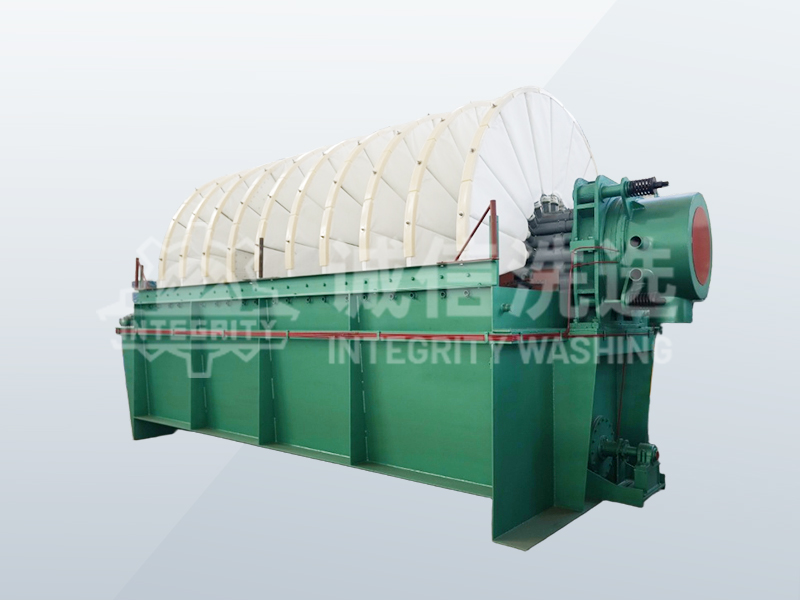
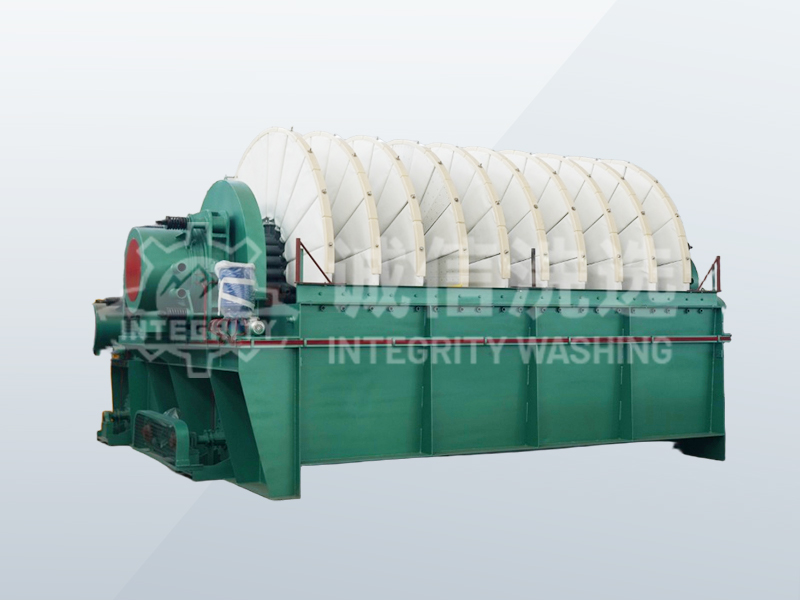
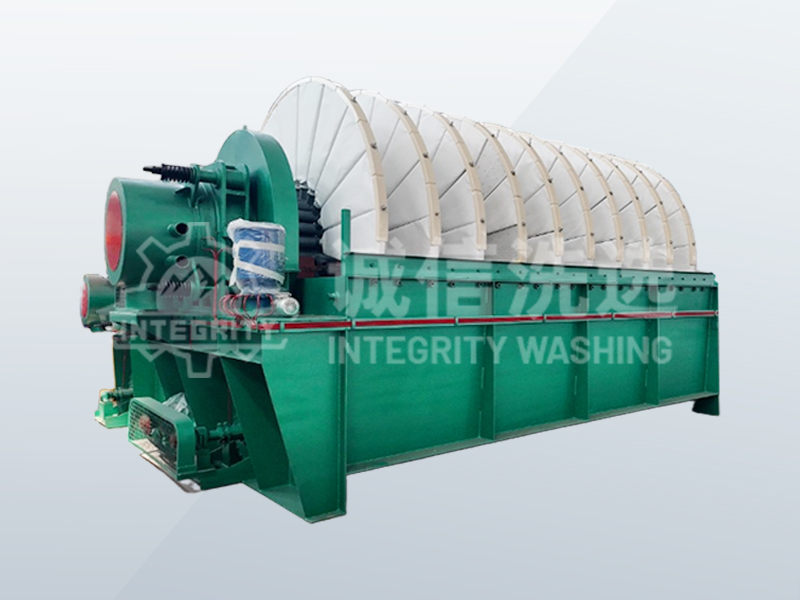
As a core device in the field of solid-liquid separation, the material selection of the disc vacuum filter directly affects the performance, service life and operating cost of the equipment. Ceramics, metals and plastics, as the three mainstream materials, each have their own advantages and disadvantages, and should be comprehensively considered in light of specific working conditions.
1. Ceramic material: Dual guarantee of chemical stability and lifespan
Ceramic materials, with alumina or silicon carbide as the core, possess strong corrosion resistance and can withstand acidic and alkaline environments with pH values ranging from 0 to 14. They are particularly suitable for treating highly corrosive chemical waste liquids or high-temperature pharmaceutical solutions. Its surface porosity is controllable, and the filtration accuracy can reach below 0.1 microns, effectively intercepting fine particles. In addition, ceramic materials have outstanding thermal stability and can operate for a long time at a high temperature of 800℃, making them suitable for high-temperature flue gas dust removal or molten metal filtration scenarios.
However, ceramic materials also have obvious shortcomings: they are brittle and have poor impact resistance, and strict protection is required during transportation and installation. The unit cost is high, and it is not economically viable when replacing filter elements on a large scale. A case of a certain chemical enterprise shows that the ceramic filter still maintains a filtration efficiency of 90% after five years of use, but the damage rate caused by accidental drops is three times higher than that of metal materials.
Ii. Metal Materials: A balance between mechanical strength and processing flexibility
Metal materials represented by 304/316L stainless steel have become the mainstream choice due to their excellent mechanical properties. Its tensile strength can reach over 500MPa, and it can withstand a working pressure of 2.5MPa. It is suitable for high-viscosity materials or high-pressure backwashing conditions. Through laser drilling or sintering processes, the pore size distribution (0.5-50μm) can be controlled to meet the sanitary filtration requirements of the food and beverage industry.
It is worth noting that metal materials are prone to intergranular corrosion in an environment with excessive chloride ions and need to be protected by surface nitriding or coating with a PTFE layer. A comparative data from a certain pharmaceutical enterprise shows that the corrosion rate of uncoated stainless steel filter elements reached 12% after 18 months of use, while the service life was extended to 36 months after coating.
Iii. Plastic Material: A representative of lightweight and cost advantages
Plastic materials such as polypropylene (PP) and polyvinylidene fluoride (PVDF) have occupied the mid-to-low-end market due to their low cost and easy processing characteristics. The density of PP material is only 0.9g/cm³, which is 60% lighter than metal, significantly reducing the overall energy consumption of the equipment. The pore size gradient structure can be prepared through the melt stretching process to enhance the filtration efficiency.
However, its shortcomings are also prominent: insufficient heat resistance (the continuous service temperature of PP is less than 80℃), and it is sensitive to organic solvents. A certain printing and dyeing enterprise reported that when using PVDF filter elements to treat benzene-containing wastewater, swelling and deformation occurred after three months, and the filtration efficiency dropped by 40%.
Iv. Selection Strategy: Demand-oriented Material matching
Priority ceramics for harsh working conditions: When dealing with strong acid/strong alkali solutions, high-temperature gases or nanoscale particles, the corrosion resistance and precision advantages of ceramics are irreplaceable.
For high-pressure and high-viscosity scenarios, choose metals: Frequent backwashing is required or high-viscosity materials (such as sludge) need to be processed. Metal materials have more reliable mechanical strength.
Conventional filtration can be paired with plastic: In the food and beverage industry where precision requirements are not high and the medium is mild, plastic materials can achieve cost-effectiveness.
Current technological trends indicate that composite materials are becoming a new direction. If a ceramic coating is sprayed on the surface of a metal substrate, it not only retains mechanical strength but also enhances corrosion resistance. The plastic filter element is embedded with a metal support frame to enhance its resistance to deformation. This "material fusion" solution may become an important direction for the future upgrade of filtration equipment.